According to SPER Market Research, the Global Smart Hearing Aids Market is estimated to reach USD 8.02 billion by 2034 with a CAGR 8.04%.
Introduction and Overview
The report includes an in-depth analysis of the Global Smart Hearing Aids Market, including market size and trends, product mix, Applications, and supplier analysis.
The global Smart Hearing Aids Market was valued at USD 3.7 billion in 2024 and is expected to grow at a CAGR of around 8.04% from 2025 to 2034. The market is experiencing strong growth due to rapid advancements in digital hearing technologies, including artificial intelligence (AI), adaptive sound processing, and Bluetooth connectivity that enable personalized sound adjustments and seamless integration with smartphones and other devices. These features improve speech clarity, reduce background noise, and enhance overall user experience. Rising prevalence of hearing loss, an increasing aging population, growing adoption of connected health solutions, and consumer demand for discreet multifunctional devices are further accelerating adoption globally.
By Product Type:
In the smart hearing aids market, the behind-the-ear (BTE) segment dominates product type revenue and adoption. BTE devices accounted for the largest share and are expected to continue leading through the forecast period, driven by their ability to accommodate advanced features such as Bluetooth connectivity, noise cancellation, and AI-enabled sound processing without size constraints. These devices are suitable for a broad range of hearing loss severities, from mild to profound, making them preferred by audiologists and users alike. Their ease of handling, external controls, and capacity to integrate cutting-edge technologies contribute significantly to the segment’s market dominance.
By Patient:
The adult segment led the smart hearing aids market based on patient category due to the higher prevalence of age-related hearing loss among older adults. Adults require hearing solutions that not only enhance sound perception but also integrate connectivity with smartphones and other digital devices, which smart hearing aids offer. Growing awareness about hearing health, routine screenings, and early intervention programs among the adult population are further accelerating adoption. As adults represent the primary consumer group for these advanced devices, this segment holds the largest market share and continues to drive overall industry growth.
By Distribution Channel:
The brick-and-mortar distribution channel dominates the smart hearing aids market, capturing the majority of revenue share in 2024. Consumers often prefer in-person audiology clinics and specialty hearing centers for professional fittings, personalized consultations, and follow-up services, which are essential for optimal device performance and comfort. Physical outlets provide diagnostic tests, real-ear measurements, and expert guidance that cannot be fully replicated online, especially for elderly users who value direct support. This preference for personalized, hands-on service reinforces the dominance of traditional retail distribution over e-commerce in the smart hearing aids market.
Regional Insights:
The smart hearing aids market is geographically segmented into North America, Europe, Asia Pacific, Latin America, and the Middle East & Africa. North America, led by the U.S. and Canada, dominates the market due to high adoption of advanced hearing technologies, strong presence of key manufacturers, and favorable reimbursement policies. Europe follows with significant contributions from Germany, the UK, France, Spain, Italy, and the Netherlands, supported by aging populations and well-established audiology services. Asia Pacific is the fastest-growing region, driven by large patient populations in China, Japan, India, Australia, and South Korea, rising awareness of hearing health, and improving healthcare infrastructure. Latin America and Middle East & Africa are emerging markets, supported by improving access to hearing care and expanding healthcare initiatives.
Market Competitive Landscape:
The Smart Hearing Aids Market is highly consolidated. Some of the market key players are RION, Audina Hearing Instruments, Audio Service, Clariti Hearing, Demant, Ear Technology, EARGO, GN Store Nord, Nano Hearing Aids, SeboTek Hearing Systems, Siemens Hearing Aids, Sonova, Starkey, WS Audiology, Zounds Hearing
Recent Developments:
• In May 2025, Eargo, Inc. blazoned the launch of Eargo 8, its most advanced tone- befitting OTC hail aid, combining high-description sound with a nearly unnoticeable design. It marked the first product launch under LXE Hearing, formed by the junction of Eargo and hearX. This launch strengthened the company’s position in the OTC hail aid request and expanded its reach through an intertwined digital hail health platform.
• In May 2025, Hansaton blazoned the launch of its Essenz platform and introduced the soundE-R, an advanced receiver- in-conduit hail aid designed for exceptional sound quality, comfort, and ease of use. The device featured swish design and glamorous dishes for home and trip convenience. This launch strengthened Hansaton’s competitive positioning by expanding its decoration smart hail aid portfolio and enhancing stoner satisfaction.
• In February 2025, GN blazoned the launch of ReSound Vivia, the world’s lowest AI- powered hail aid, and ReSound Savi, an essential range featuring Bluetooth LE Audio and Auracast broadcast audio. These inventions delivered superior sound quality in noisy surroundings and assured each- day comfort without immolating size or battery life. This launches enhanced GN’s brand leadership in smart hail results and expanded its appeal across both decoration and value request parts.
Scope of the report:
Report Metric Details
Market size available for the years 2021-2034
Base year considered 2024
Forecast Period 2025-2034
Segments Covered By Product, By Patient, By Distribution Channel
Regions Covered North America, Latin America, Asia-Pacific,
Europe, and Middle East & Africa
Companies Covered RION, Audina Hearing Instruments, Audio Service, Clariti Hearing, Demant, Ear Technology, EARGO, GN Store Nord, Nano Hearing Aids, SeboTek Hearing Systems, Siemens Hearing Aids, Sonova, Starkey, WS Audiology, Zounds Hearing
Key Topics Covered in the Report
• Global Smart Hearing Aids Market Size (FY’2021-FY’2034)
• Overview of Global Smart Hearing Aids Market
• Segmentation of Global Smart Hearing Aids Market by Product (Behind-the-ear (BTE), Receiver in the ear/receiver in canal (RITE/RIC), Completely-in-the-canal/invisible-in-canal (CIC/IIC), In-the-ear (ITE), In-the-canal (ITC))
• Segmentation of Global Smart Hearing Aids Market by Patient (Adult, Pediatric)
• Segmentation of Global Smart Hearing Aids Market by Distribution Channel (Brick and mortar, E-commerce)
• Statistical Snap of Global Smart Hearing Aids Market
• Expansion Analysis of Global Smart Hearing Aids Market
• Problems and Obstacles in Global Smart Hearing Aids Market
• Competitive Landscape in the Global Smart Hearing Aids Market
• Details on Current Investment in Global Smart Hearing Aids Market
• Competitive Analysis of Global Smart Hearing Aids Market
• Prominent Players in the Global Smart Hearing Aids Market
• SWOT Analysis of Global Smart Hearing Aids Market
• Global Smart Hearing Aids Market Future Outlook and Projections (FY’2025-FY’2034)
• Recommendations from Analyst
Global Smart Hearing Aids Market Size- By Product, By Patient, By Distribution Channel -Regional Outlook, Competitive Strategies and Segment Forecast to 2034
1. Introduction
1.1. Scope of the report
1.2. Market segment analysis
2. Research Methodology
2.1. Research data source
2.1.1. Secondary Data
2.1.2. Primary Data
2.1.3. SPER’s internal database
2.1.4. Premium insight from KOL’s
2.2. Market size estimation
2.2.1. Top-down and Bottom-up approach
2.3. Data triangulation
3. Executive Summary
4. Market Dynamics
4.1. Driver, Restraint, Opportunity and Challenges analysis
4.1.1. Drivers
4.1.2. Restraints
4.1.3. Opportunities
4.1.4. Challenges
5. Market variable and outlook
5.1. SWOT Analysis
5.1.1. Strengths
5.1.2. Weaknesses
5.1.3. Opportunities
5.1.4. Threats
5.2. PESTEL Analysis
5.2.1. Political Landscape
5.2.2. Economic Landscape
5.2.3. Social Landscape
5.2.4. Technological Landscape
5.2.5. Environmental Landscape
5.2.6. Legal Landscape
5.3. PORTER’s Five Forces
5.3.1. Bargaining power of suppliers
5.3.2. Bargaining power of buyers
5.3.3. Threat of Substitute
5.3.4. Threat of new entrant
5.3.5. Competitive rivalry
5.4. Heat Map Analysis
6. Competitive Landscape
6.1. Global Smart Hearing Aids Market Manufacturing Base Distribution, Sales Area, Product Type
6.2. Mergers & Acquisitions, Partnerships, Product Launch, and Collaboration in Global Smart Hearing Aids Market
7. Global Smart Hearing Aids Market, By Product, (USD Million) 2021-2034
7.1. Behind-the-ear (BTE)
7.2. Receiver in the ear/receiver in canal (RITE/RIC)
7.3. Completely-in-the-canal/invisible-in-canal (CIC/IIC)
7.4. In-the-ear (ITE)
7.5. In-the-canal (ITC)
8. Global Smart Hearing Aids Market, By Patient, (USD Million) 2021-2034
8.1. Adult
8.2. Pediatric
9. Global Smart Hearing Aids Market, By Distribution Channel, (USD Million) 2021-2034
9.1. Brick and mortar
9.2. E-commerce
10. Global Smart Hearing Aids Market, (USD Million) 2021-2034
10.1. Global Smart Hearing Aids Market Size and Market Share
11. Global Smart Hearing Aids Market, By Region, 2021-2034 (USD Million)
11.1. Asia-Pacific
11.1.1. Australia
11.1.2. China
11.1.3. India
11.1.4. Japan
11.1.5. South Korea
11.1.6. Rest of Asia-Pacific
11.2. Europe
11.2.1. France
11.2.2. Germany
11.2.3. Italy
11.2.4. Spain
11.2.5. United Kingdom
11.2.6. Rest of Europe
11.3. Middle East and Africa
11.3.1. Kingdom of Saudi Arabia
11.3.2. United Arab Emirates
11.3.3. Qatar
11.3.4. South Africa
11.3.5. Egypt
11.3.6. Morocco
11.3.7. Nigeria
11.3.8. Rest of Middle-East and Africa
11.4. North America
11.4.1. Canada
11.4.2. Mexico
11.4.3. United States
11.5. Latin America
11.5.1. Argentina
11.5.2. Brazil
11.5.3. Rest of Latin America
12. Company Profile
12.1. RION
12.1.1. Company details
12.1.2. Financial outlook
12.1.3. Product summary
12.1.4. Recent developments
12.2. Audina Hearing Instruments
12.2.1. Company details
12.2.2. Financial outlook
12.2.3. Product summary
12.2.4. Recent developments
12.3. Audio Service
12.3.1. Company details
12.3.2. Financial outlook
12.3.3. Product summary
12.3.4. Recent developments
12.4. Clariti Hearing
12.4.1. Company details
12.4.2. Financial outlook
12.4.3. Product summary
12.4.4. Recent developments
12.5. Demant
12.5.1. Company details
12.5.2. Financial outlook
12.5.3. Product summary
12.5.4. Recent developments
12.6. Ear Technology
12.6.1. Company details
12.6.2. Financial outlook
12.6.3. Product summary
12.6.4. Recent developments
12.7. EARGO
12.7.1. Company details
12.7.2. Financial outlook
12.7.3. Product summary
12.7.4. Recent developments
12.8. GN Store Nord
12.8.1. Company details
12.8.2. Financial outlook
12.8.3. Product summary
12.8.4. Recent developments
12.9. Nano Hearing Aids
12.9.1. Company details
12.9.2. Financial outlook
12.9.3. Product summary
12.9.4. Recent developments
12.10. SeboTek Hearing Systems
12.10.1. Company details
12.10.2. Financial outlook
12.10.3. Product summary
12.10.4. Recent developments
12.11. Siemens Hearing Aids
12.11.1. Company details
12.11.2. Financial outlook
12.11.3. Product summary
12.11.4. Recent developments
12.12. Sonova
12.12.1. Company details
12.12.2. Financial outlook
12.12.3. Product summary
12.12.4. Recent developments
12.13. Starkey
12.13.1. Company details
12.13.2. Financial outlook
12.13.3. Product summary
12.13.4. Recent developments
12.14. WS Audiology
12.14.1. Company details
12.14.2. Financial outlook
12.14.3. Product summary
12.14.4. Recent developments
12.15. Zounds Hearing
12.15.1. Company details
12.15.2. Financial outlook
12.15.3. Product summary
12.15.4. Recent developments
12.16. Others
13. Conclusion
14. List of Abbreviations
15. Reference Links
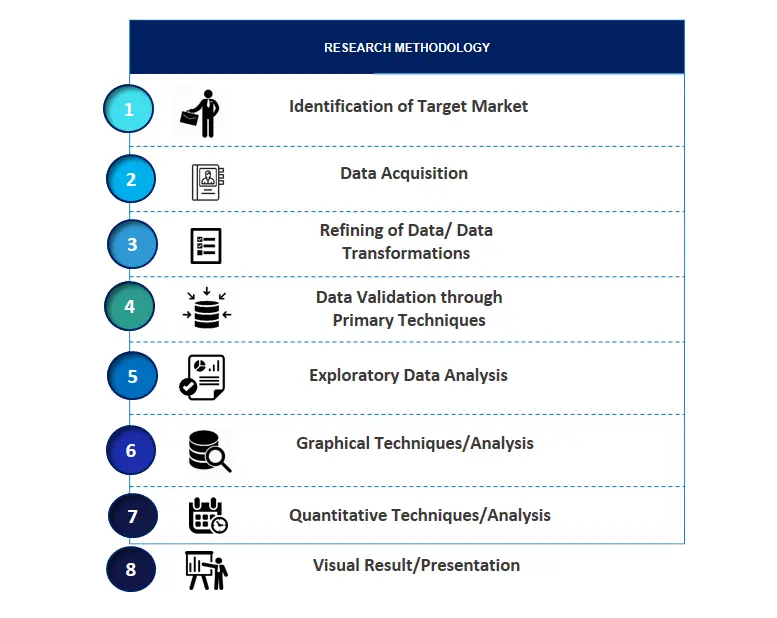
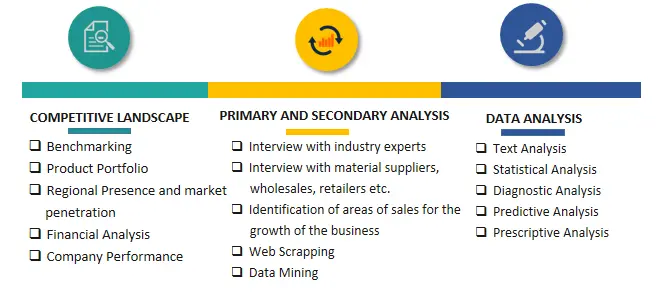
SPER Market Research’s methodology uses great emphasis on primary research to ensure that the market intelligence insights are up to date, reliable and accurate. Primary interviews are done with players involved in each phase of a supply chain to analyze the market forecasting. The secondary research method is used to help you fully understand how the future markets and the spending patterns look likes.
The report is based on in-depth qualitative and quantitative analysis of the Product Market. The quantitative analysis involves the application of various projection and sampling techniques. The qualitative analysis involves primary interviews, surveys, and vendor briefings. The data gathered as a result of these processes are validated through experts opinion. Our research methodology entails an ideal mixture of primary and secondary initiatives.